Beyond the Nifty: How to Build a Truly Diversified Portfolio for Indian Markets
Key Takeaways
- Diversification is not merely owning multiple stocks but balancing non-correlated assets.
- Effective portfolio construction hinges on asset allocation based on individual risk appetite and time horizons.
- Sectoral exposure and market capitalization play critical roles in mitigating unsystematic risk.
- Regular rebalancing is essential to maintain the desired risk-return profile over time.
The Philosophy of Diversification
In the Indian equity markets, many retail investors confuse diversification with 'diworsification'—holding a large number of stocks within the same industry or high-correlation segments. True diversification is the art of spreading risk across asset classes, sectors, and market capitalizations. By building a portfolio that does not react identically to specific economic shocks, an investor can potentially smooth out volatility over long-term cycles.
Understanding Asset Allocation
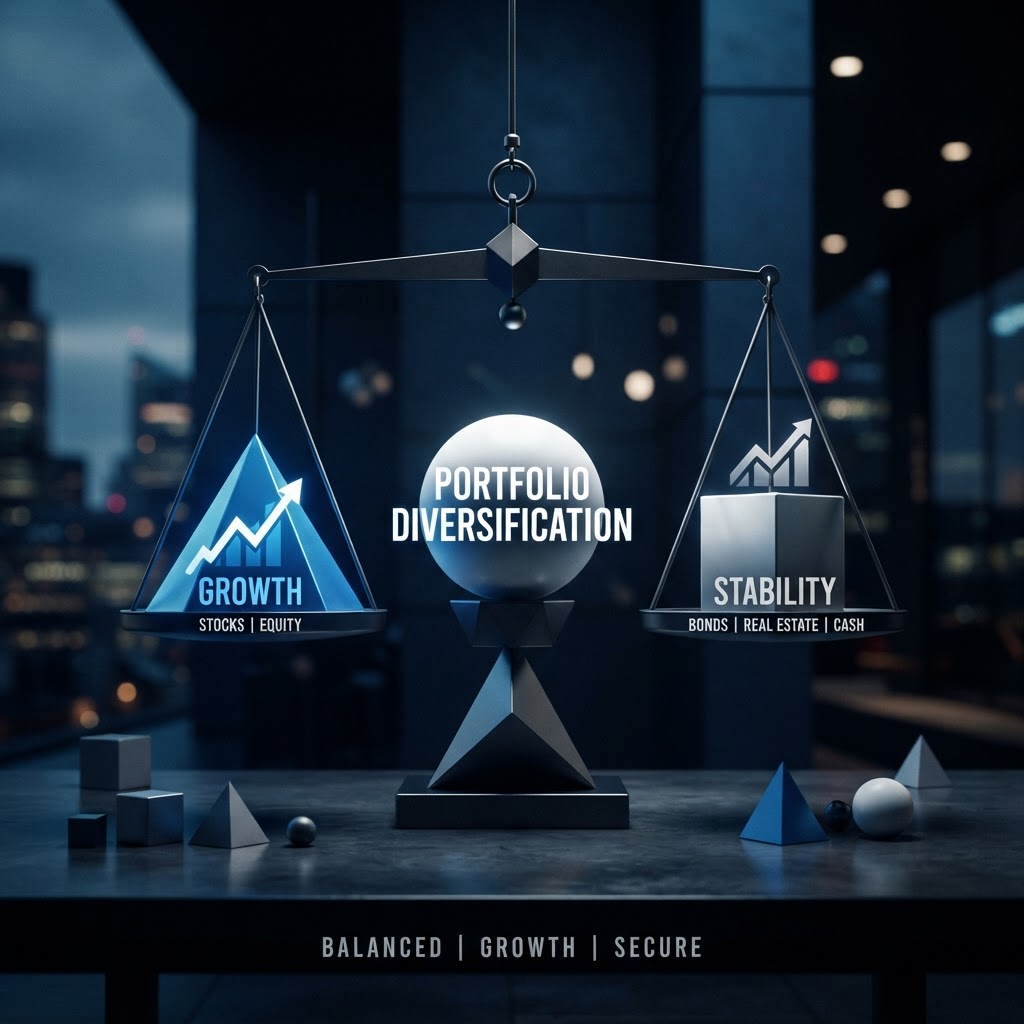
The foundation of a robust portfolio begins with asset allocation. Investors should determine their exposure to equities, debt, gold, and liquid assets based on their financial goals. Equities, while offering higher growth potential, carry higher volatility. Conversely, debt instruments provide a cushion during market downturns. Balancing these components according to one’s age and financial commitments is the first step in risk management.
Navigating Sectors and Caps
Once the asset class mix is decided, the equity portion requires internal diversification. A portfolio heavily tilted toward a single sector, such as Banking or IT, is highly susceptible to sectoral regulatory changes or global demand shifts.
Furthermore, balancing large-cap, mid-cap, and small-cap stocks is vital. Large-caps generally offer stability, while mid and small-caps provide alpha potential but come with higher liquidity and execution risks. A well-rounded approach ensures that the portfolio participates in diverse economic themes, from consumption-led growth to infrastructure expansion.
The Importance of Rebalancing
Markets are dynamic. Over time, a portfolio’s weightages will naturally drift as some assets outperform others. This drift can lead to unintended concentration risks. Periodic rebalancing—selling a portion of the outperforming assets to buy underperforming ones—enforces a 'sell high, buy low' discipline. This practice keeps the portfolio aligned with the investor's original risk strategy and prevents the accumulation of undue risk in a single theme or asset class.
Strategic Monitoring
Building a portfolio is not a 'set and forget' exercise. Investors must stay informed about broader macroeconomic indicators that affect the Indian markets, such as interest rate cycles, inflation data, and fiscal policies. While daily news monitoring is often unnecessary for long-term investors, quarterly reviews of portfolio health help ensure that the underlying investment thesis for each holding remains intact.
⚠️ Disclaimer: IndiaMarketInsights.com is NOT a SEBI-registered Investment Adviser, Research Analyst, or Investment Advisory firm. This article is published for educational and informational purposes only and does not constitute investment advice, an offer to buy or sell, or a recommendation of any security or financial product. All data and information referenced is sourced from publicly available news and filings. Please consult a SEBI-registered investment advisor before making any investment decision. Past performance is not indicative of future results. Investing in securities involves risk, including possible loss of principal.