Key Takeaways
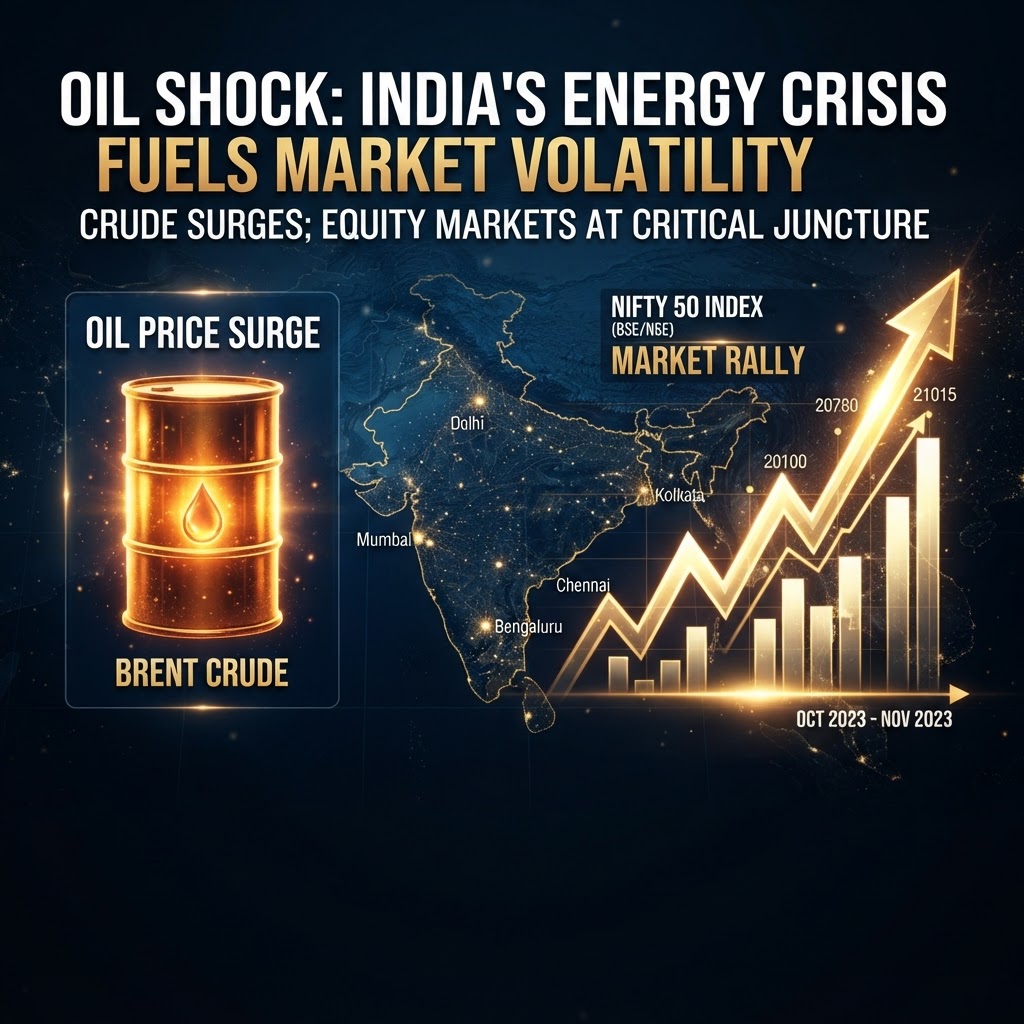
- India remains one of the world's largest importers of crude oil, making the domestic economy highly sensitive to global price fluctuations.
- Rising oil costs typically act as a tax on the economy, potentially pressuring corporate margins and stoking inflationary concerns.
- The rupee’s valuation is inherently linked to oil prices, as higher import costs increase demand for US dollars.
- Investors should monitor the trade deficit and sectoral impacts on industries like oil marketing companies, paints, and aviation.
The Oil-Economy Connection
For the Indian investor, crude oil is more than just a commodity; it is a vital macroeconomic barometer. As an economy that imports a significant portion of its energy requirements, India is uniquely vulnerable to the price volatility of global crude oil. When global prices rise, the immediate impact is felt across the national balance sheet, affecting everything from retail inflation to corporate profitability.
Why Crude Oil Prices Matter for India
Understanding the impact of crude oil prices on Indian markets requires looking at the 'import bill' mechanism. Because India pays for oil imports in US dollars, a sharp rise in oil prices creates two simultaneous pressures: an increased trade deficit and downward pressure on the Indian rupee. A weaker rupee, in turn, makes all imports more expensive, potentially fueling cost-push inflation.
For retail investors, the secondary effect is often more visible. When input costs rise, companies in manufacturing, logistics, and consumer goods often face margin compression. If companies cannot pass these higher costs on to consumers, bottom-line earnings inevitably suffer, which can impact stock valuations over the medium term.
Sectoral Read-Throughs
Not every sector reacts to crude oil prices in the same way. The impact is essentially a tale of two extremes. On one side, sectors like aviation, paints, and tyre manufacturers rely heavily on oil derivatives for fuel or raw materials. For these industries, sustained high oil prices act as a direct drag on margins.
Conversely, Upstream oil companies may benefit from higher realizations, provided the government maintains a stable subsidy-sharing framework. Downstream Oil Marketing Companies (OMCs) present a more complex picture, as their profitability is tied to the delicate balance of government-regulated retail pricing versus global crude benchmarks. Monitoring how these companies manage inventory and pricing cycles provides a clearer window into how the broader market is adjusting to energy shocks.
The Bigger Picture: Inflation and Monetary Policy
Beyond company-specific impacts, crude oil plays a decisive role in the Reserve Bank of India's (RBI) monetary policy. Since energy costs are a major component of the Consumer Price Index (CPI), an oil price spike often forces the central bank to maintain a cautious or hawkish stance on interest rates. Higher interest rates, intended to curb inflation, can lead to a higher cost of capital for businesses, further influencing market sentiment.
What to Watch Next
As an investor, looking beyond daily price fluctuations is key. Focus instead on the trend lines. Are crude prices rising due to supply constraints or demand-side recovery? Furthermore, keep a close watch on the trade balance data released periodically, as this provides the most accurate view of how the oil import bill is impacting the nation's foreign exchange reserves.
While market volatility is inevitable, understanding the structural role of crude oil helps investors filter out short-term noise and focus on long-term sectoral fundamentals.
⚠️ Disclaimer: IndiaMarketInsights.com is NOT a SEBI-registered Investment Adviser, Research Analyst, or Investment Advisory firm. This article is published for educational and informational purposes only and does not constitute investment advice, an offer to buy or sell, or a recommendation of any security or financial product. All data and information referenced is sourced from publicly available news and filings. Please consult a SEBI-registered investment advisor before making any investment decision. Past performance is not indicative of future results. Investing in securities involves risk, including possible loss of principal.