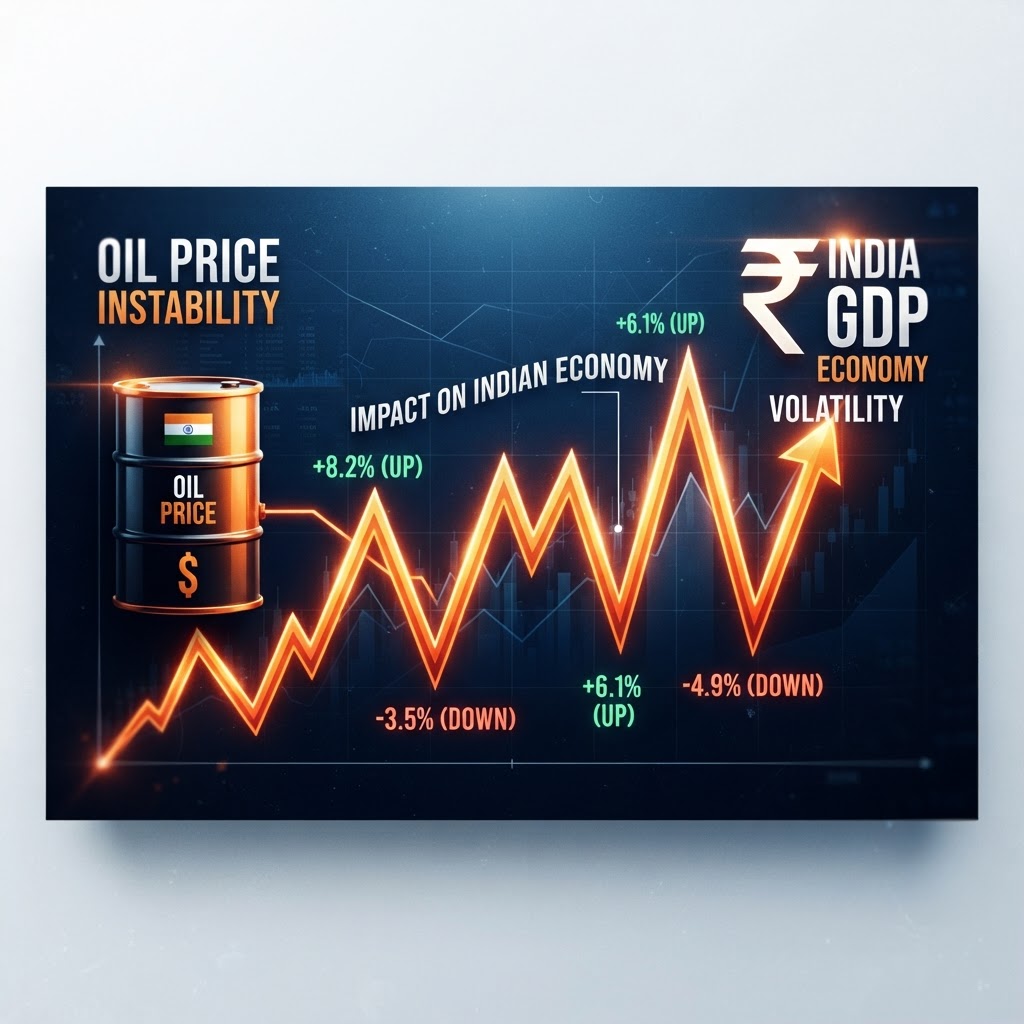
Decoding the Impact of Crude Oil Prices on Indian Markets: A Retail Investor’s Guide
Key Takeaways
- Crude oil serves as a primary input cost for the Indian economy, making it a critical macro variable for equity investors.
- A rise in oil prices typically exerts pressure on the Current Account Deficit and the Indian Rupee.
- Specific sectors, including Oil Marketing Companies (OMCs) and paint manufacturers, face direct margin sensitivity to price fluctuations.
- Investors should monitor oil trends as a leading indicator for systemic inflation and central bank monetary policy shifts.
Understanding the Oil Dependency
For India, crude oil is more than just a commodity; it is a foundational macro-economic pillar. Because the nation imports a significant majority of its oil requirements, fluctuations in global crude prices create a direct chain reaction that eventually finds its way into the balance sheets of domestic corporations and the wallets of the average consumer.
When global crude oil prices rise, the immediate impact is a widening of India’s trade deficit. Since imports are paid for in US Dollars, higher oil costs demand more foreign exchange, which can lead to depreciation in the Indian Rupee. For investors, this creates a double-whammy: imported inflation and potential currency volatility.
Why It Matters: The Transmission Mechanism
The transmission of oil price shocks occurs primarily through the cost of living and the cost of production. High oil prices increase fuel and logistics costs across the board. This forces companies to either absorb the cost—hitting margins—or pass it on to consumers, which fuels inflation.
When inflation runs high, the Reserve Bank of India (RBI) faces pressure to keep interest rates elevated to maintain price stability. For the equity markets, higher interest rates are generally perceived as a headwind, as they increase borrowing costs for businesses and make fixed-income instruments more attractive relative to equities.
Sector Read-Through: Winners and Losers
The impact of oil prices is not uniform across the market. Investors must distinguish between companies that act as providers and those that act as consumers.
- Downstream Players (OMCs): Oil Marketing Companies are often caught in the crossfire. While they process crude, their ability to pass on price hikes to the end consumer is often governed by political and regulatory considerations. Rapid spikes in oil prices can compress their marketing margins.
- Input-Heavy Sectors: Sectors like paints, chemicals, and aviation rely heavily on oil derivatives. For these companies, a sustained increase in crude prices serves as a direct drag on operating margins. Conversely, a cooling of oil prices can provide a tailwind for these segments.
- The Energy Sector: Upstream players involved in exploration and production often benefit from higher crude realizations, acting as a natural hedge for some portfolios.
What to Watch Next
For retail investors, the key is to avoid reacting to daily price "noise." Instead, focus on the trend of crude oil over medium-to-long-term cycles. Monitor the spread between global crude prices and domestic pump prices, as this provides a signal on the health of downstream corporate earnings. Additionally, keep an eye on official macro data regarding the trade balance and foreign exchange reserves, as these are the primary transmission points through which oil impacts the broader indices.
By understanding that crude oil is a structural driver of the Indian economy rather than just a market sentiment indicator, investors can better position their portfolios to withstand periods of volatility.
⚠️ Disclaimer: IndiaMarketInsights.com is NOT a SEBI-registered Investment Adviser, Research Analyst, or Investment Advisory firm. This article is published for educational and informational purposes only and does not constitute investment advice, an offer to buy or sell, or a recommendation of any security or financial product. All data and information referenced is sourced from publicly available news and filings. Please consult a SEBI-registered investment advisor before making any investment decision. Past performance is not indicative of future results. Investing in securities involves risk, including possible loss of principal.