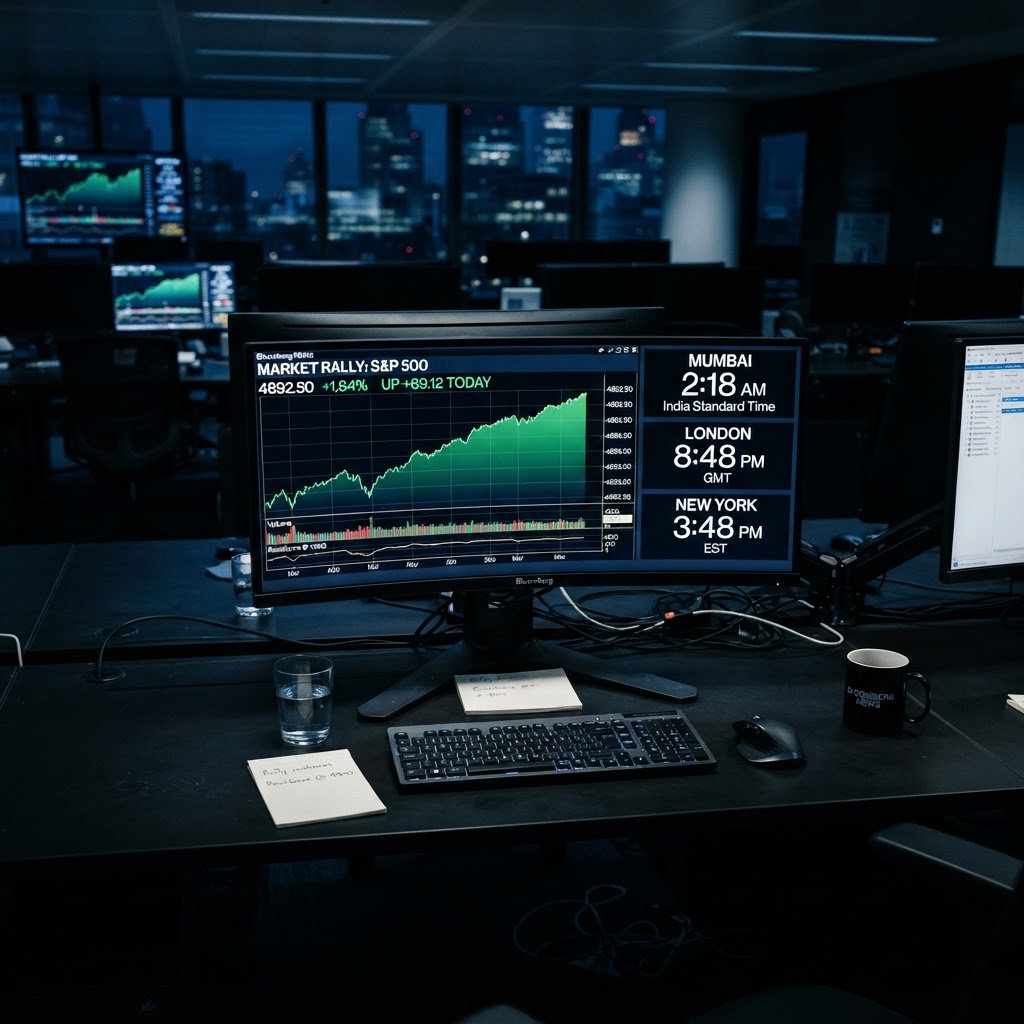
Deciphering Global Cues: How International Markets Influence Indian Stock Openings
Key Takeaways
- Global cues serve as the primary external pulse for Indian market openings, often setting the tone before the opening bell.
- US markets, specifically the S&P 500 and Nasdaq, act as lead indicators due to their influence on foreign portfolio investment (FPI) flows.
- Understanding the difference between overnight sentiment and domestic fundamentals is essential for retail risk management.
The Morning Ritual: Why Global Cues Matter
For the Indian retail investor, the 9:00 AM pre-open session is often a reflection of what occurred in Tokyo, London, and Wall Street. Indian equity indices, particularly the Nifty 50 and BSE Sensex, are deeply integrated into the global financial architecture. When we talk about global cues, we are primarily referring to overnight movements in US indices, commodity prices—most notably crude oil—and fluctuations in the US Dollar Index (DXY).
Because foreign institutional investors play a significant role in India’s liquidity, the market often reprices itself at the opening bell to align with global risk-on or risk-off sentiment. If global markets close sharply lower due to hawkish central bank commentary or geopolitical tension, the Indian market typically reflects this through a gap-down opening.
The Transmission Mechanism: How Sentiment Travels
How exactly does a shift in the US Nasdaq translate into a move on Dalal Street? The transmission is driven by algorithmic trading and FPI sentiment. When risk premiums rise globally, institutional desks automatically adjust their exposure across emerging markets. India, being a key constituent of the MSCI Emerging Markets Index, sees reflexive selling or buying based on these macro reallocations.
Furthermore, the correlation between the Indian Rupee and the US Dollar creates an immediate impact on sectors like IT services and Oil & Gas. A strengthening dollar often puts pressure on the Rupee, which acts as a headwind for the domestic equity market, influencing opening prices before a single domestic trade is executed.
The Bigger Picture: Domestic Fundamentals vs. Global Noise
While global cues provide the initial momentum for the market opening, they are often "noise" in the context of the long-term trend. The danger for retail investors lies in reacting to the opening gap rather than the underlying fundamentals. A gap-down opening driven by a temporary dip in global tech stocks does not necessarily change the earnings trajectory of a domestic mid-cap company.
Investors must distinguish between a structural change in the global economy and a temporary correction in international indices. Overreacting to opening volatlity driven by global cues often leads to "panic selling" or "FOMO buying" at suboptimal prices.
What to Watch Next
To navigate these global influences, monitor the Gift Nifty (previously SGX Nifty). It provides a real-time gauge of how the Indian market is likely to react to the overnight global closing. By tracking this indicator along with the movement of US Treasury yields, investors can gain a clearer perspective on whether an opening gap is backed by fundamental shifts or mere sentiment-driven momentum.
⚠️ Disclaimer: IndiaMarketInsights.com is NOT a SEBI-registered Investment Adviser, Research Analyst, or Investment Advisory firm. This article is published for educational and informational purposes only and does not constitute investment advice, an offer to buy or sell, or a recommendation of any security or financial product. All data and information referenced is sourced from publicly available news and filings. Please consult a SEBI-registered investment advisor before making any investment decision. Past performance is not indicative of future results. Investing in securities involves risk, including possible loss of principal.