Key Takeaways
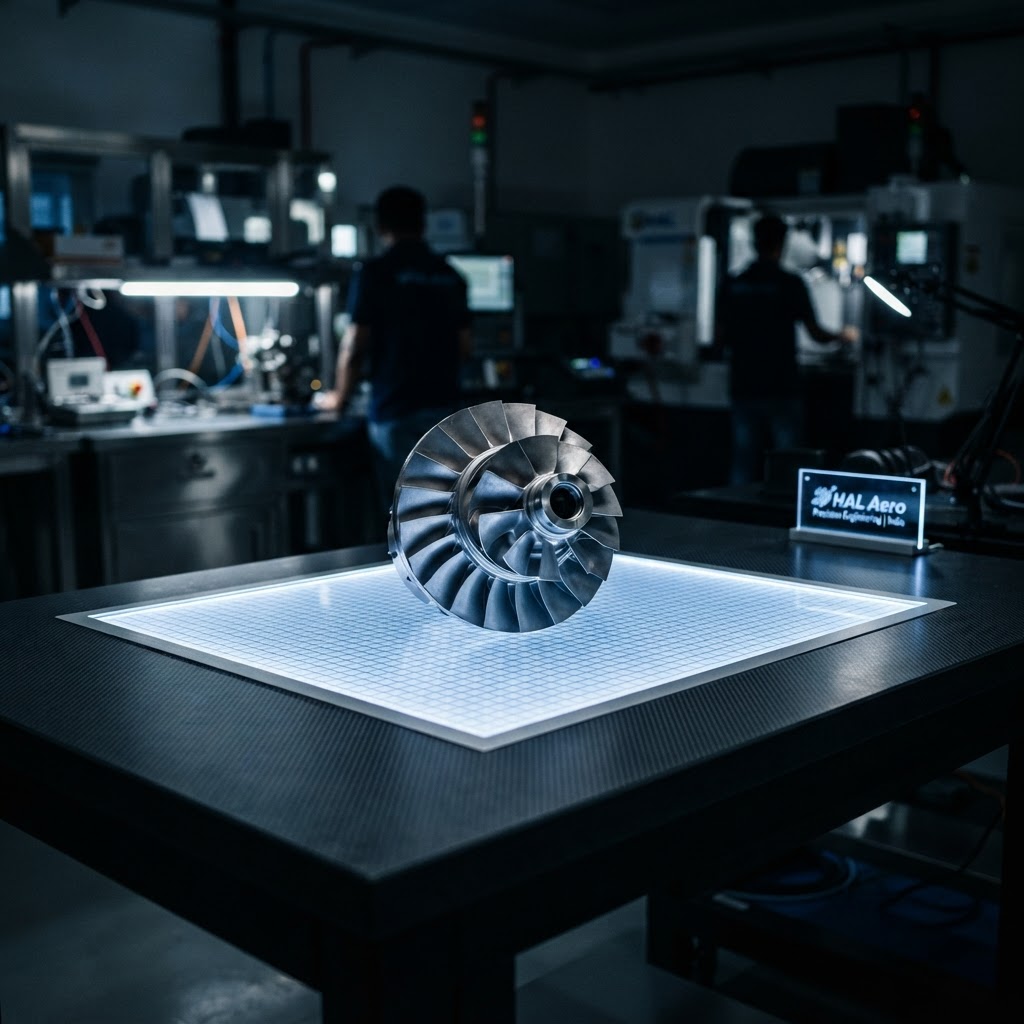
- Indian companies are increasingly shifting focus toward the development and production of small jet propulsion systems.
- This move marks a strategic pivot for industrial players looking to capture new opportunities in specialized aerospace manufacturing.
- Bharat Forge (BHARATFORG.NS) is among the key firms associated with this growing industrial trend.
What Happened
According to recent reports from Business Standard, a notable shift is underway within India's industrial sector, as domestic companies begin to focus their attention on small jet propulsion technology. This trend represents a deliberate attempt by established manufacturers to diversify their portfolios into high-value aerospace components.
While industrial manufacturing in India has traditionally focused on automotive and heavy engineering sectors, the interest in propulsion systems signals a move toward higher technological complexity. Companies like Bharat Forge are positioning themselves at the center of this transition, leveraging their existing engineering capabilities to enter the competitive aerospace market.
Why It Matters
For industrial firms, the transition toward small jet propulsion is more than just a product expansion; it is an entry into a critical technological niche. Aerospace manufacturing requires stringent quality standards and long-term research and development cycles. By focusing on small-scale propulsion, Indian manufacturers are effectively bridging the gap between traditional heavy engineering and advanced aviation technology.
This shift suggests that domestic firms are attempting to capitalize on the increasing global and local demand for specialized aerospace hardware. By domesticating the manufacturing process for these engines, Indian companies may be able to capture higher value-added segments of the supply chain that were previously dominated by international players.
The Bigger Picture: A Sector Read-Through
This movement into jet propulsion is reflective of a broader trend in Indian industry: the "engines of opportunity" narrative. As industrial houses look for the next wave of growth beyond traditional manufacturing, the aerospace and defense sectors offer a natural, albeit challenging, evolution. The success of this pivot will depend on the ability of these companies to sustain technological innovation and manage the capital-intensive nature of aerospace production.
Furthermore, this development aligns with a growing emphasis on high-tech manufacturing, where India is increasingly viewed as a viable hub for sophisticated components. If successful, this trend could provide a long-term tailwind for the domestic engineering sector, establishing a new revenue stream that is less sensitive to cyclical downturns in traditional automotive or infrastructure spending.
What to Watch Next
Investors and analysts will be watching to see how these companies scale their operations. Key indicators will include investments in specialized R&D facilities, partnerships with global aerospace firms, and the successful delivery of prototypes that meet international aviation standards. Tracking order books and specific program wins within the aerospace vertical will be crucial for assessing the long-term impact on financial performance.
⚠️ Disclaimer: IndiaMarketInsights.com is NOT a SEBI-registered Investment Adviser, Research Analyst, or Investment Advisory firm. This article is published for educational and informational purposes only and does not constitute investment advice, an offer to buy or sell, or a recommendation of any security or financial product. All data and information referenced is sourced from publicly available news and filings. Please consult a SEBI-registered investment advisor before making any investment decision. Past performance is not indicative of future results. Investing in securities involves risk, including possible loss of principal.