Key Takeaways
- The psychology of investing is the greatest determinant of portfolio success, often outweighing technical analysis.
- FOMO (Fear Of Missing Out) is driven by social proof and the desire to mimic market trends rather than fundamental valuations.
- Panic selling is a reactive behavior triggered by short-term loss aversion, which often leads to crystallizing losses at market bottoms.
- Establishing a rule-based investment framework acts as a psychological buffer against emotional decision-making.
Understanding the Emotional Loop
For many Indian retail investors, the stock market is less of a financial vehicle and more of an emotional roller coaster. The psychology of investing revolves around two dominant human impulses: greed, manifesting as FOMO, and fear, which triggers panic selling. Understanding these biases is the first step toward disciplined wealth creation.
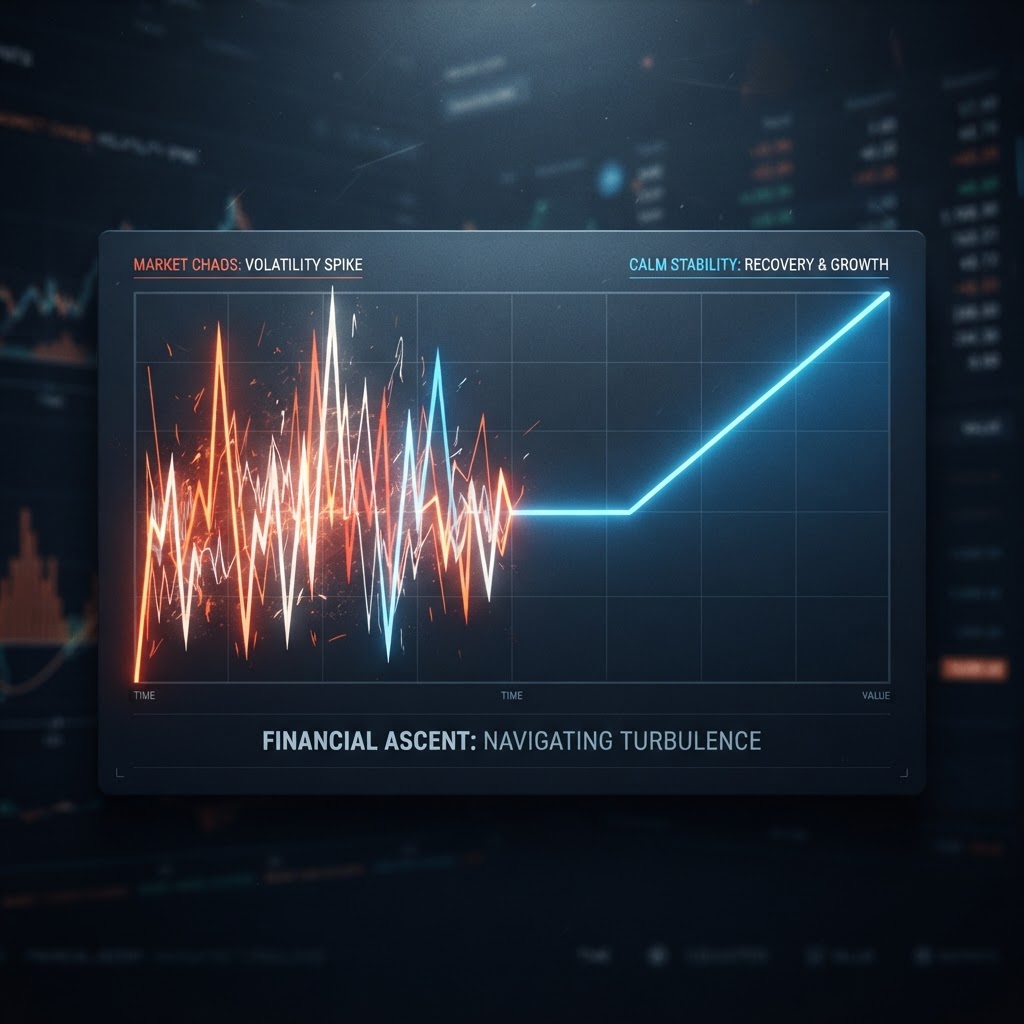
FOMO occurs when investors see a sudden surge in specific mid-cap or small-cap stocks and feel compelled to enter, regardless of entry valuations. This behavior is often fueled by social media trends and market euphoria, where the focus shifts from 'value' to 'price momentum.' Conversely, panic selling is the reflex to liquidate holdings during a market drawdown to avoid further pain. However, reacting to volatility often leads to selling quality assets just before a recovery.
Why Emotional Investing Fails
Market cycles are an inherent feature of the Indian equity landscape. When investors chase rallies based on FOMO, they frequently buy at the peak of the valuation cycle, shrinking their margin of safety. This makes the eventual correction feel significantly more painful.
Panic selling, on the other hand, is driven by loss aversion—the psychological observation that the pain of losing money is twice as powerful as the joy of gaining it. When investors panic sell, they often mistake a temporary price correction for a permanent loss of capital. This reaction ignores the fundamentals of the underlying business, converting a paper loss into a realized loss that cannot be recovered even if the market rebounds.
The Bigger Picture: Building a Buffer
The most resilient investors are those who view the market through a process-oriented lens. Institutional-grade discipline involves a clear 'if-then' framework. For example, if a company's investment thesis remains intact, short-term price volatility should be viewed as noise rather than a signal to exit.
Institutional analysts often use 'valuation-based triggers' to avoid emotional traps. By pre-determining exit and entry points based on fundamentals rather than price action, investors can effectively automate their decision-making. This reduces the cognitive load required during periods of intense market stress.
What to Watch Next
As the markets continue to evolve, individual investors should focus on maintaining a diversified portfolio that aligns with their specific risk appetite. Regularly reviewing your investment thesis—rather than just the daily ticker—is essential. As market conditions fluctuate, the ability to detach emotional reactions from portfolio management remains the defining skill of a sophisticated investor.
⚠️ Disclaimer: IndiaMarketInsights.com is NOT a SEBI-registered Investment Adviser, Research Analyst, or Investment Advisory firm. This article is published for educational and informational purposes only and does not constitute investment advice, an offer to buy or sell, or a recommendation of any security or financial product. All data and information referenced is sourced from publicly available news and filings. Please consult a SEBI-registered investment advisor before making any investment decision. Past performance is not indicative of future results. Investing in securities involves risk, including possible loss of principal.