Key Takeaways
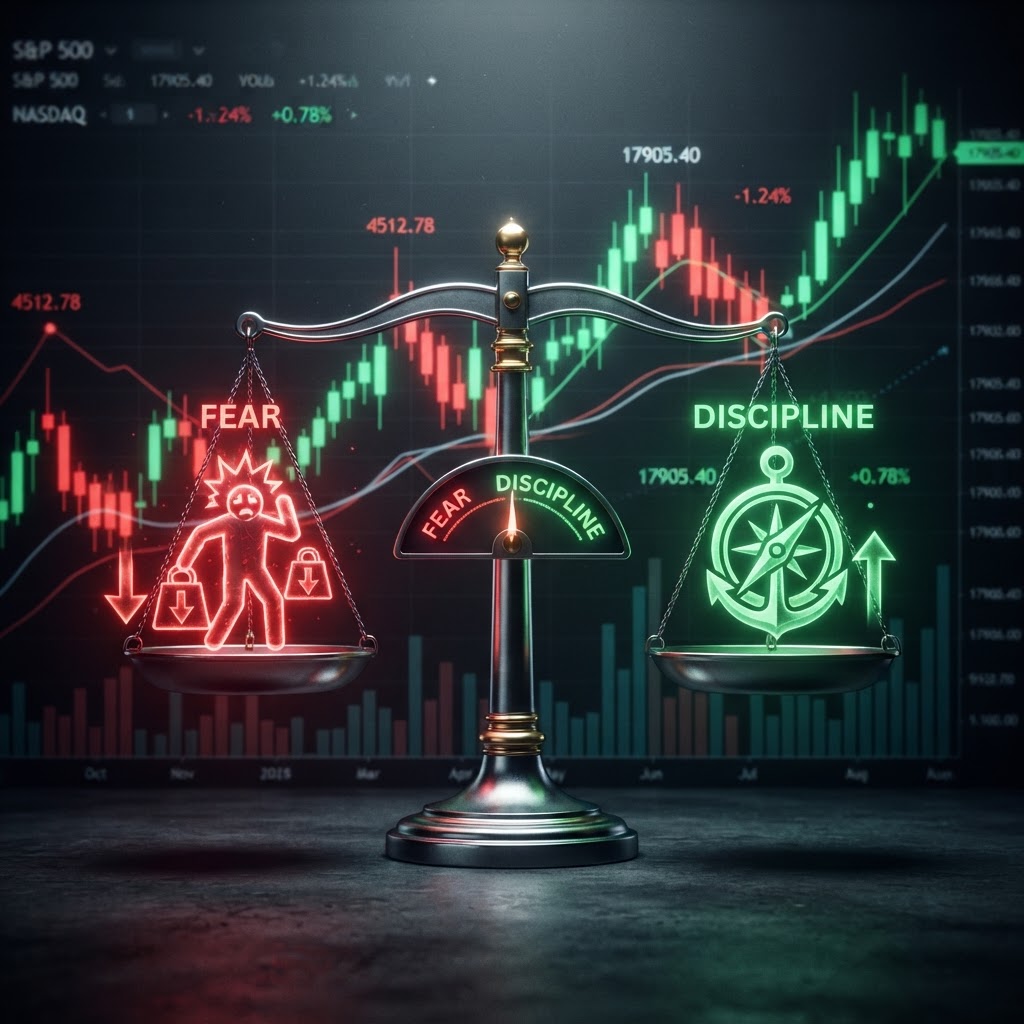
- Emotional Biases: FOMO (Fear of Missing Out) and panic selling are common behavioral traps that often lead to poor financial outcomes.
- Long-Term Focus: Successful investing in India requires a disciplined approach that ignores short-term market noise.
- Process Over Outcome: Establishing a systematic investment plan helps mitigate the impact of emotional decision-making.
The Psychology of Investing: Understanding Market Behavior
For the Indian retail investor, the stock market is as much a psychological challenge as it is a financial one. While we often focus on fundamental analysis, P/E ratios, and quarterly results, the most significant risk to a portfolio is frequently the person managing it. Behavioral finance suggests that two primary emotions—fear and greed—drive market cycles, often pushing individual investors toward irrational decisions.
Avoiding the FOMO Trap
FOMO, or the 'Fear of Missing Out,' is a byproduct of greed and social validation. In a bull market, when a specific sector or stock captures the headlines, the urge to participate without proper due diligence increases. For many, the desire to mirror the quick gains seen by others leads to buying at the top of a cycle.
Instead of chasing momentum, retail investors should maintain a disciplined approach. Ask yourself: 'Am I buying this because of the underlying business fundamentals, or because of the price action?' A robust investment thesis should be able to stand on its own regardless of how quickly the stock price is moving.
Managing the Impulse to Panic Sell
Conversely, panic selling often occurs during periods of market correction. When volatility spikes, the immediate emotional response is often to 'exit the market' to prevent further losses. However, selling during a downturn often locks in losses that might have been recovered had the investor maintained their position through the cycle.
To manage this, consider your investment horizon. If you are investing for long-term goals, such as retirement or education, short-term market volatility is merely 'noise.' A well-diversified portfolio is designed to withstand temporary periods of stress.
The Bigger Picture: Disciplined Investing
The key to long-term success in the Indian markets lies in separating one's emotions from their capital. Systematic Investment Plans (SIPs) are a highly effective tool in this regard. By investing a fixed amount at regular intervals, you remove the need to time the market, effectively 'averaging out' your purchase costs and reducing the psychological burden of market timing.
What to Watch Next
Moving forward, focus on strengthening your own investment process. Whether you are adjusting your asset allocation or rebalancing your portfolio, ensure that every decision is backed by a logical premise rather than an emotional reaction to news flow or peer influence. Stay informed, remain disciplined, and prioritize your long-term financial objectives over short-term market trends.
⚠️ Disclaimer: IndiaMarketInsights.com is NOT a SEBI-registered Investment Adviser, Research Analyst, or Investment Advisory firm. This article is published for educational and informational purposes only and does not constitute investment advice, an offer to buy or sell, or a recommendation of any security or financial product. All data and information referenced is sourced from publicly available news and filings. Please consult a SEBI-registered investment advisor before making any investment decision. Past performance is not indicative of future results. Investing in securities involves risk, including possible loss of principal.