Key Takeaways
- The Reserve Bank of India (RBI) is intensifying cybersecurity scrutiny, pushing financial firms to bolster their digital defenses.
- Institutions are initiating a significant hiring surge for Chief Information Security Officers (CISOs) and specialized security professionals.
- The dual pressure of rising AI-driven cyber threats and regulatory mandates has created a talent crunch across the sector.
What Happened
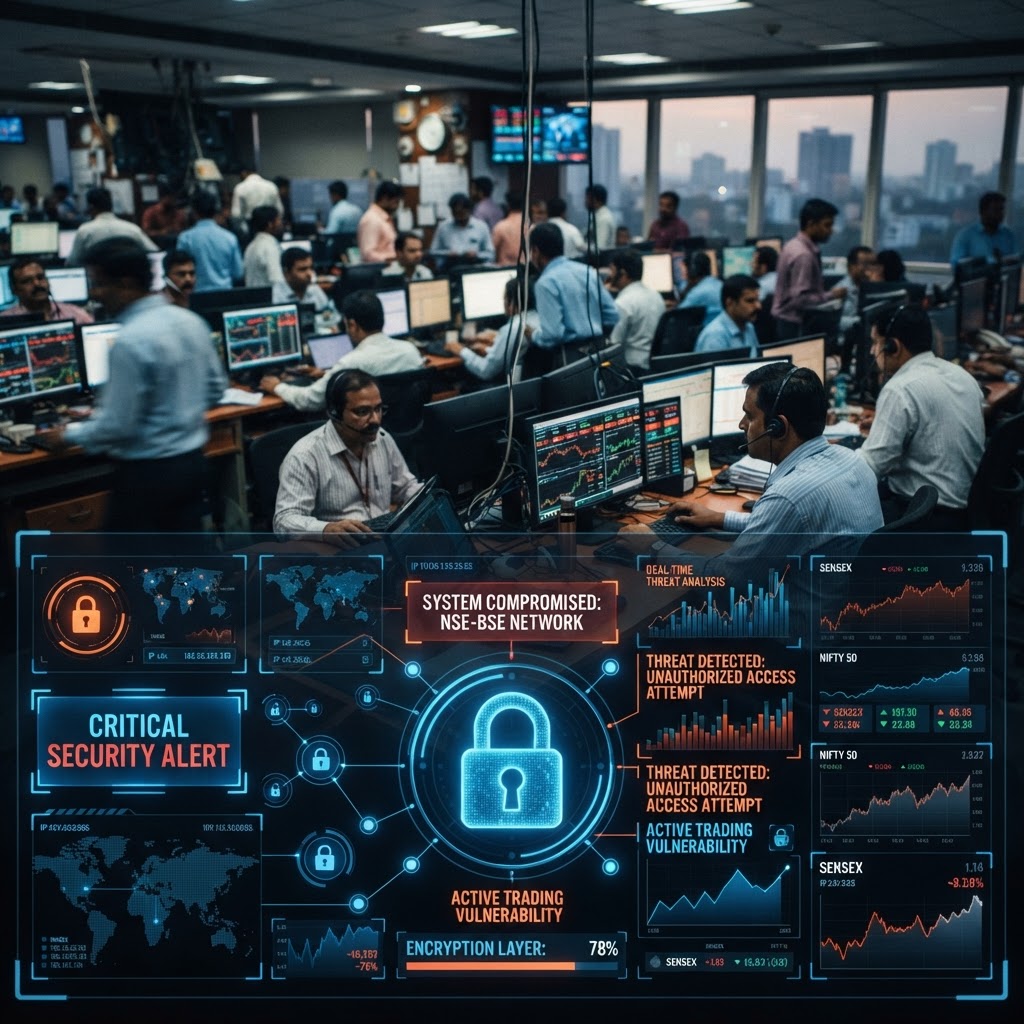
In a move reflecting the heightened risk environment, the Reserve Bank of India has begun stepping up its scrutiny of cybersecurity protocols across the financial sector. According to reports from Business Standard, this regulatory nudge is forcing financial institutions to re-evaluate their digital infrastructure and leadership requirements. As a direct consequence, banks and financial firms are currently engaged in a hiring frenzy, specifically targeting experienced Chief Information Security Officers (CISOs) to navigate these stringent compliance demands.
Why It Matters
The financial services industry is currently navigating a period where traditional defense mechanisms are being challenged by rapid technological shifts. The proliferation of Artificial Intelligence has introduced new, complex cyber threats that require sophisticated countermeasures. As regulatory oversight tightens, institutions that fail to maintain robust digital safety standards face not only operational risks but also the prospect of significant regulatory friction. This necessity to fortify defenses has turned security expertise into a critical asset, leading to a competitive race for talent that is rapidly pushing up the valuation of experienced cybersecurity professionals.
The Bigger Picture
This development serves as a broader signal for the Indian banking sector, including major players like State Bank of India (SBIN.NS). The push from the RBI is not merely a compliance exercise but a fundamental shift in how the Indian financial ecosystem manages systemic risk. As the digital transformation of banking accelerates, the reliance on top-tier security talent is becoming a proxy for operational stability. Investors should note that the increased spending on cybersecurity, while creating a short-term impact on operational costs, is a defensive necessity meant to safeguard the integrity of the financial backbone of the nation. The ongoing talent shortage further highlights the premium that banks must now pay to maintain their digital resilience against an increasingly sophisticated threat landscape.
What to Watch Next
Market participants should observe how these increased compliance costs filter through to the quarterly operating expenses of major financial institutions. As firms scramble to fill key security roles, the ability to integrate advanced security protocols without disrupting service delivery will be a key performance indicator. Furthermore, the industry will be watching to see if the RBI provides further granular guidelines on AI-specific risk management, which could necessitate an even larger shift in capital allocation toward specialized technology infrastructure.
⚠️ Disclaimer: IndiaMarketInsights.com is NOT a SEBI-registered Investment Adviser, Research Analyst, or Investment Advisory firm. This article is published for educational and informational purposes only and does not constitute investment advice, an offer to buy or sell, or a recommendation of any security or financial product. All data and information referenced is sourced from publicly available news and filings. Please consult a SEBI-registered investment advisor before making any investment decision. Past performance is not indicative of future results. Investing in securities involves risk, including possible loss of principal.