Key Takeaways
- RBI Governor emphasizes that small business loans can deliver 100 times the economic impact compared to traditional lending models.
- A renewed focus on re-KYC processes and financial inclusion is currently being prioritized in Maharashtra.
- Public sector banks, including Bank of Maharashtra (MAHABANK.NS), are at the center of this rural outreach strategy.
- The central bank's strategy hinges on leveraging Centres for Financial Literacy (CFLs) and self-help groups (SHGs) to bridge the credit gap.
What Happened
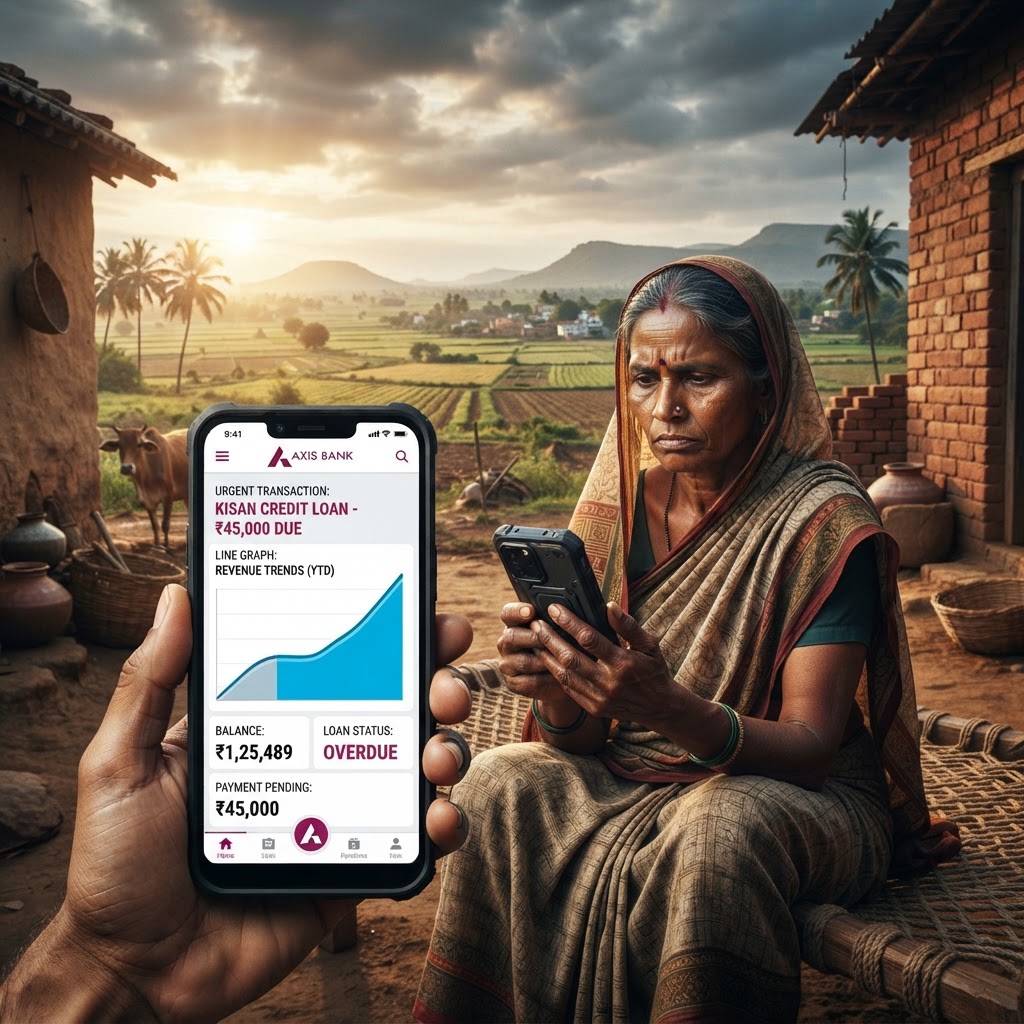
In a recent outreach initiative in Maharashtra, the RBI Governor underscored the critical role of small business lending in the national economy. According to reports from Business Standard, the Governor highlighted that small businesses possess the capacity to generate up to 100 times more impact from loans than other segments. This message was delivered during a financial inclusion camp where the central bank chief interacted with representatives from various self-help groups (SHGs) and Centres for Financial Literacy (CFLs).
Beyond the focus on lending, the administration is placing significant weight on the re-KYC (Know Your Customer) process. By ensuring that rural and economically weaker sections remain compliant with banking regulations, the RBI aims to maintain the integrity of the financial system while expanding access to credit.
Why It Matters
For investors observing the banking space, this represents a continued institutional commitment to "last-mile" banking. By emphasizing that small business loans offer disproportionately higher economic benefits, the RBI is signaling to public sector lenders that credit deployment in these segments is not merely a social obligation but a core driver of economic velocity.
This approach directly affects banks like Bank of Maharashtra (MAHABANK.NS), which maintain significant footprints in rural and semi-urban regions. The focus on re-KYC ensures that these accounts remain active and eligible for credit products, which is essential for maintaining the health of loan portfolios in the MSME and small business sectors.
The Bigger Picture: Sector Read-Through
Financial inclusion has shifted from a policy goal to an operational mandate for large public sector banks. The RBI’s involvement in local camps serves as a feedback loop, allowing the regulator to monitor the effectiveness of banking services reaching the grassroots level.
When the Governor explicitly quantifies the impact of small business credit, it often foreshadows stricter reporting requirements or revised targets for priority sector lending. Financial institutions that streamline their re-KYC processes while successfully deploying capital to SHGs are likely to be viewed favorably under the current regulatory framework.
What to Watch Next
Market participants should watch for upcoming quarterly updates from public sector banks to see if the emphasis on small business credit correlates with growth in net interest margins or shifts in provisioning for rural-focused portfolios. Additionally, any further regulatory guidance regarding the ease of re-KYC for remote customers could act as a catalyst for deeper market penetration among rural households.
⚠️ Disclaimer: IndiaMarketInsights.com is NOT a SEBI-registered Investment Adviser, Research Analyst, or Investment Advisory firm. This article is published for educational and informational purposes only and does not constitute investment advice, an offer to buy or sell, or a recommendation of any security or financial product. All data and information referenced is sourced from publicly available news and filings. Please consult a SEBI-registered investment advisor before making any investment decision. Past performance is not indicative of future results. Investing in securities involves risk, including possible loss of principal.