Key Takeaways
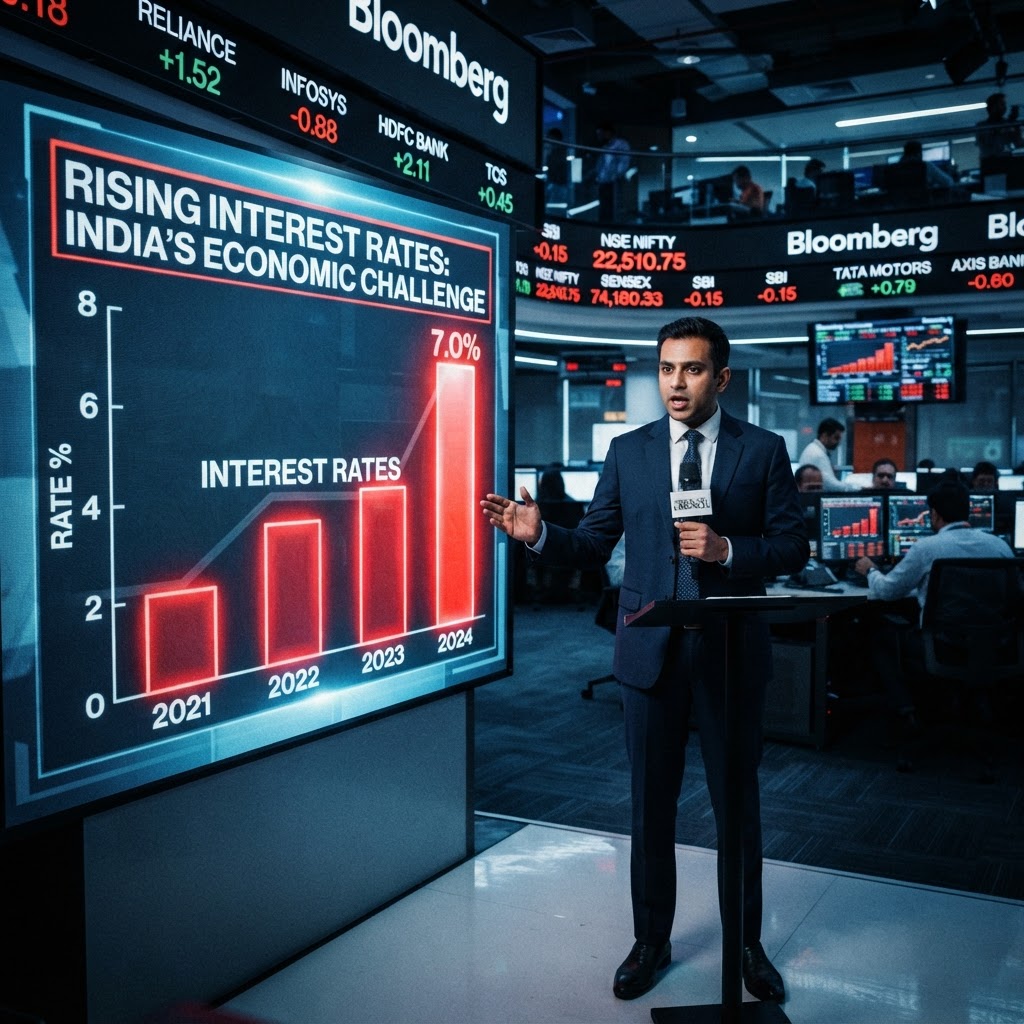
- The Reserve Bank of India (RBI) has raised the repo rate to 5.50%, triggering an immediate response from major commercial banks.
- Public sector lenders, including Punjab National Bank (PNB) and Bank of Baroda, have upwardly revised their lending rates.
- Borrowers face an immediate increase in interest obligations, while the broader banking sector adjusts to higher costs of capital.
What Happened
In a significant move for India's financial landscape, the Reserve Bank of India (RBI) has increased the repo rate to 5.50%. This policy adjustment has sent a ripple effect across the banking sector, with a cohort of major public sector banks announcing hikes to their lending rates. According to reports from Livemint, institutions including Punjab National Bank (PNB), Indian Bank, Bank of Baroda, Bank of India, Indian Overseas Bank, and Tamilnad Mercantile Bank have all confirmed upward revisions to their interest rates in the immediate aftermath of the RBI's decision.
Why It Matters
The primary transmission mechanism of the RBI’s monetary policy is the repo rate. When the central bank elevates this benchmark, the cost of funds for commercial banks rises. By passing these costs onto the consumer, banks aim to maintain their net interest margins (NIMs) in an environment where the cost of borrowing has become more expensive. For the average borrower, this translates into higher equated monthly installments (EMIs) or longer loan tenures, depending on the structure of their existing credit agreements.
The Bigger Picture: Sector Read-Through
The synchronized response from public sector banks (PSBs) underscores the swift transmission of monetary policy in the current cycle. While higher lending rates exert downward pressure on consumer credit demand, they also signify a broader shift toward tighter liquidity. For investors and market observers, this trend highlights the sensitivity of banking stocks to interest rate cycles. Stocks such as PNB (PNB.NS), Bank of Baroda (BANKBARODA.NS), and Indian Bank (INDIANB.NS) remain central to the narrative as they balance loan book growth against the risk of rising non-performing assets (NPAs) caused by increased debt servicing burdens on retail and corporate borrowers.
What to Watch Next
Moving forward, market participants will be closely watching the impact of these rate hikes on retail credit growth. As borrowing becomes costlier, the pace of credit off-take is expected to be a critical indicator of economic resilience. Additionally, analysts will be monitoring the liability side of the balance sheet—specifically, how these banks adjust deposit rates to attract capital, which will ultimately dictate their competitive positioning in the coming quarters.
⚠️ Disclaimer: IndiaMarketInsights.com is NOT a SEBI-registered Investment Adviser, Research Analyst, or Investment Advisory firm. This article is published for educational and informational purposes only and does not constitute investment advice, an offer to buy or sell, or a recommendation of any security or financial product. All data and information referenced is sourced from publicly available news and filings. Please consult a SEBI-registered investment advisor before making any investment decision. Past performance is not indicative of future results. Investing in securities involves risk, including possible loss of principal.