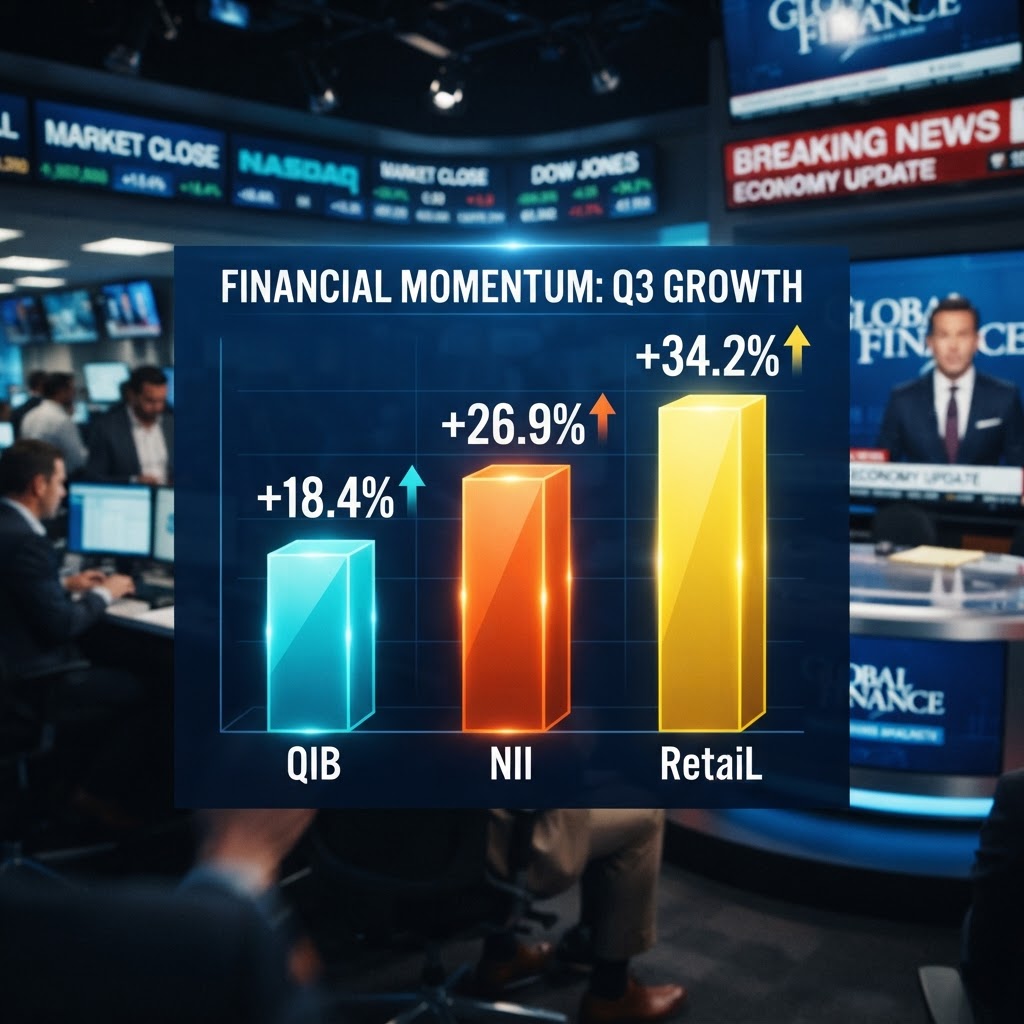
Key Takeaways
- IPO share allocation is divided into three primary categories: QIBs, NIIs, and Retail investors.
- Each category has a pre-determined quota, ensuring that institutional and individual investors have distinct participation tracks.
- Understanding the subscription levels of these categories provides context on the market's sentiment toward an upcoming issue.
- Retail quotas are often protected to ensure equitable access, while institutional data reveals how large-scale market participants view the valuation.
What Are the IPO Quota Buckets?
When a company goes public in India through an Initial Public Offering (IPO), it doesn't just offer shares to the highest bidder. Instead, the Securities and Exchange Board of India (SEBI) mandates a structured book-building process that categorizes applicants. These segments—Qualified Institutional Buyers (QIB), Non-Institutional Investors (NII), and Retail Individual Investors (RII)—ensure that the demand for shares is diversified across various market participant profiles.
The Three Pillars of Allocation
Qualified Institutional Buyers (QIBs): These are the heavyweights of the market, including commercial banks, mutual funds, insurance companies, and foreign portfolio investors (FPIs). Because of their expertise, they are expected to conduct rigorous due diligence on the company’s financials and business model.
Non-Institutional Investors (NIIs): This segment is often referred to as the 'High Net-worth Individual' (HNI) category. It includes individuals, trusts, and companies applying for shares worth more than ₹2 lakh. While they are individual investors, their capital capacity allows them to operate in a category separate from small retail investors.
Retail Individual Investors (RIIs): This category is designed for the common investor. Any individual who applies for IPO shares worth up to ₹2 lakh falls into the retail bucket. SEBI ensures that a significant portion of the total issue is reserved for this category to encourage broader financial participation.
Why the Quota Matters
While many investors focus solely on the total oversubscription number, the breakdown of these categories reveals the true 'quality' of interest. A high subscription level in the QIB category is often viewed by analysts as a proxy for institutional confidence in the company's long-term growth prospects. Conversely, heavy NII subscription sometimes indicates speculative fervor, as this segment often uses borrowed capital (leveraging) to bid for large volumes of shares.
The Bigger Picture: Balancing Access and Stability
The quota system is not merely a technicality; it is a mechanism to stabilize the post-listing performance of a stock. By mandating that a specific percentage of the issue is reserved for QIBs, the regulator ensures that large players remain invested. Meanwhile, the retail quota serves as a democratic buffer, protecting individual participation from being crowded out by massive institutional orders. For a retail investor, monitoring how much of their specific bucket has been filled is a practical way to gauge the competitive nature of an upcoming listing.
What to Watch Next
As you monitor upcoming IPOs, pay close attention to the 'Subscription Day' data. Instead of just looking at the aggregate number, break down which category is driving the volume. A well-subscribed issue across all three segments is generally considered a sign of healthy price discovery, whereas disproportionate interest from one segment may signal varying degrees of risk appetite. Always review the Red Herring Prospectus (RHP) to understand the specific reservation percentages for the issue you are tracking.
⚠️ Disclaimer: IndiaMarketInsights.com is NOT a SEBI-registered Investment Adviser, Research Analyst, or Investment Advisory firm. This article is published for educational and informational purposes only and does not constitute investment advice, an offer to buy or sell, or a recommendation of any security or financial product. All data and information referenced is sourced from publicly available news and filings. Please consult a SEBI-registered investment advisor before making any investment decision. Past performance is not indicative of future results. Investing in securities involves risk, including possible loss of principal.