Key Takeaways
- Volume acts as the fuel behind price movements, confirming the validity of market trends.
- High volume during price breakouts typically signals strong institutional participation.
- Analyzing volume-price relationships helps differentiate between genuine trend reversals and market noise.
- Professional traders use volume to gauge the 'conviction' behind price swings in the Indian markets.
What is Volume Analysis?
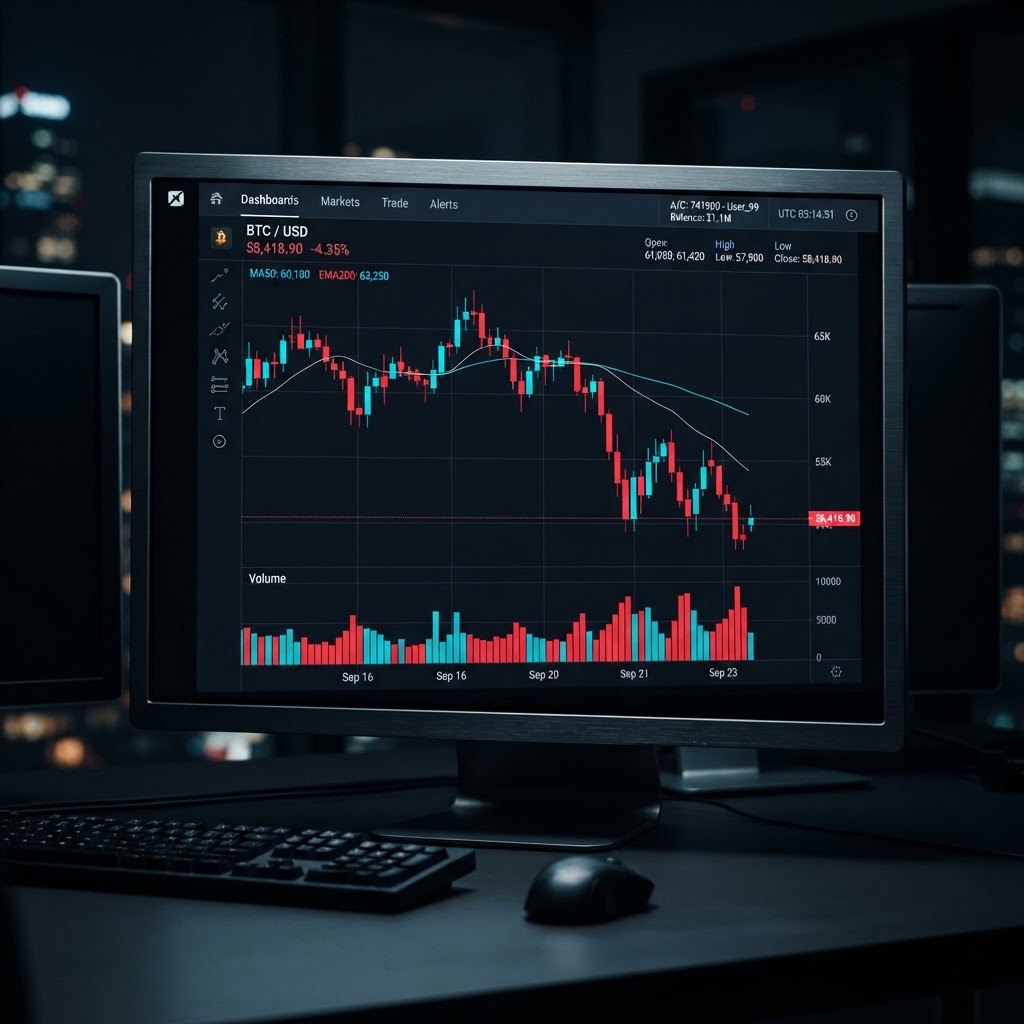
In the Indian equity markets, price tells you what the market is doing, but volume tells you how much conviction is behind that movement. Volume is simply the total number of shares traded during a specific time period. For retail investors, understanding volume analysis is critical because it acts as the primary tool to confirm the strength of a price trend. When price increases alongside rising volume, it suggests that participants are willing to commit capital to the upward move. Conversely, an increase in price on low volume is often viewed by analysts as a sign of a weak or unsustainable trend, as it lacks broad market participation.
Interpreting Price-Volume Relationships
Successful trading often hinges on observing how price and volume move in tandem. A 'breakout'—where a stock price moves above a resistance level—is considered technically significant only when accompanied by a surge in trading volume. This suggests that large institutional players are likely entering or exiting positions, lending weight to the new price level. If a stock hits a new high on declining volume, it may indicate a 'exhaustion move,' where buying interest is waning despite the headline price rise. Investors should note that volume patterns are often interpreted contextually; high volume at the end of a long trend may signal a reversal, while high volume during a consolidation phase can indicate accumulation or distribution.
The Role of Liquidity in Indian Markets
Volume is also a direct proxy for liquidity. Stocks with higher average daily volume are generally easier to enter and exit without causing significant 'slippage' in the price. For retail traders in India, focusing on liquid stocks provides a buffer against extreme price volatility. Low-volume stocks, often categorized as illiquid or 'penny' stocks, are prone to 'pump and dump' scenarios where small trades can artificially inflate price. Monitoring the volume profile helps you distinguish between legitimate market trends and artificial movements driven by low-float manipulation.
Putting Theory into Practice
To utilize volume analysis effectively, start by observing the Moving Average (MA) of volume. Many trading platforms allow you to overlay a 20-day or 50-day volume MA. When current daily volume significantly exceeds these averages, it acts as a signal of heightened activity. It is important to remember that volume analysis is not a predictive crystal ball. It is a secondary confirmation tool that provides context to the price action. Before making any investment decisions, compare the volume spikes against historical data for the same security, as what constitutes 'high volume' for a large-cap Nifty 50 stock differs vastly from a small-cap stock.
What to Watch Next
As you begin integrating volume into your technical toolkit, observe how volume shifts during major market events, such as quarterly earnings announcements or regulatory policy changes. Watch how the volume profiles change when a stock nears its 52-week highs or lows. By consistently monitoring volume alongside price, you gain a clearer picture of whether the 'smart money' is supporting the current trend or stepping to the sidelines.
⚠️ Disclaimer: IndiaMarketInsights.com is NOT a SEBI-registered Investment Adviser, Research Analyst, or Investment Advisory firm. This article is published for educational and informational purposes only and does not constitute investment advice, an offer to buy or sell, or a recommendation of any security or financial product. All data and information referenced is sourced from publicly available news and filings. Please consult a SEBI-registered investment advisor before making any investment decision. Past performance is not indicative of future results. Investing in securities involves risk, including possible loss of principal.